
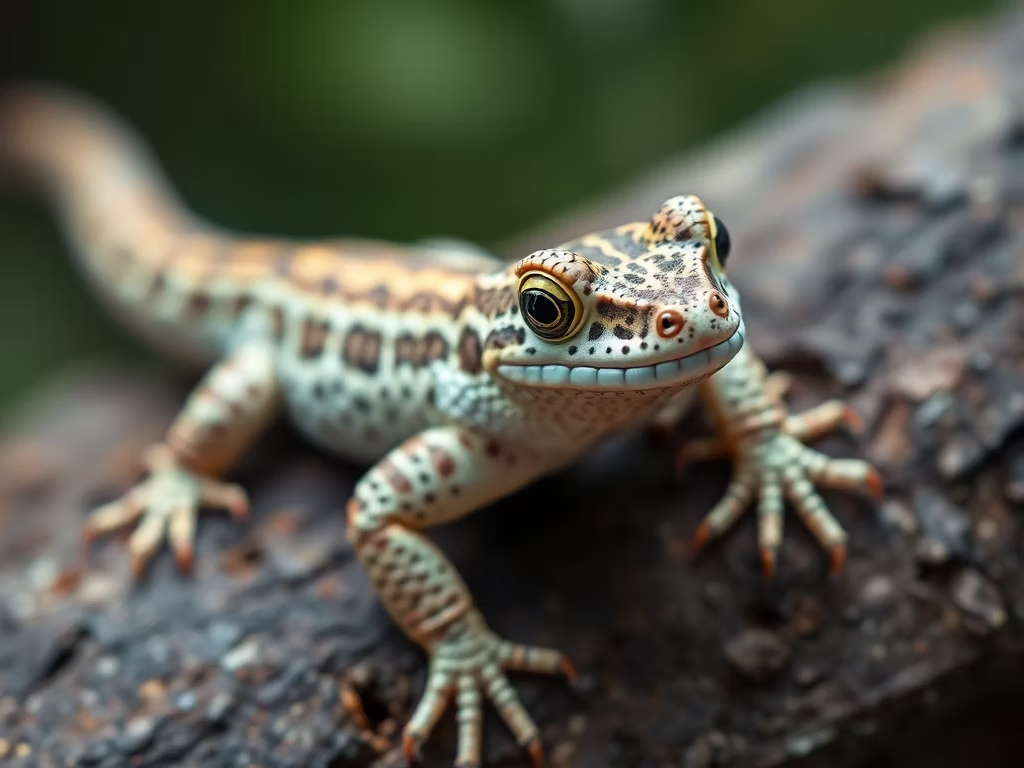
If you raise a Crested Gecko (Correlophus ciliatus) or a Gargoyle Gecko (Rhacodactylus auriculatus), you know it well: the one who has a simple, constant and repeatable routine wins. gecko food It is a perfect tool for managing feeding in a practical way, especially when you want to reduce the handling of live insects and maintain a regular nutritional standard.
In this guide you will find two concrete recipes, the correct procedure to rehydrate freeze-dried crickets (Acheta domesticus) and the fundamental mistakes to avoid.
Before we begin: What kind of gecko do you have?
Differentiating diets based on species is what separates “haphazard” feeding from professional management by a breeder.
Frugivorous and omnivorous geckos (food is the basis)
- Crested Gecko (Ciliatus)
- Gargoyle Gecko (Auriculatus)
- Mourning Gecko (Lepidodactylus lugubris): many breeders manage it with a soft diet and supplements.
For these species, the mash (such as CGD or a controlled mix) can be the heart of the feeding routine, while the protein quota must be inserted and managed carefully.
Insectivorous geckos (food is NOT the basis)
- Leopard Gecko (Eublepharis macularius)
- Tokay Gecko (Gekko gecko)
- Day Gecko (Phelsuma): generally insectivorous/omnivorous, often with nectar/fruit at high altitude.
Per queste specie l’alimentazione resta basata quasi interamente su prede solide. Il pappone può rappresentare solo un supporto o un’integrazione in casi specifici.
Why use freeze-dried crickets to rehydrate in mash?
Nutrinsect works with a controlled supply chain based on a simple concept: less chaos, more routine. Adding freeze-dried crickets offers undeniable advantages:
- High standards: Same quality and same routine, every single time.
- Total convenience: No live management, ideal for those who work or travel frequently.
- Dose control: Quantities that are much easier to measure and repeat.
- Guaranteed continuity: A reliable solution when the living thing is unavailable.
Proper rehydration of crickets (20–35 minutes)
L’obiettivo è ottenere grilli morbidi, facili da schiacciare e perfetti per creare una miscela omogenea. Ecco gli step pratici:
- Place the desired amount of freeze-dried crickets in a clean small bowl.
- Add warm or room temperature water (enough to cover them).
- Wait 20 to 35 minutes.
- Drain excess water.
Gecko Food Recipe: 2 Versions
Version 1 — “Breeder Standard” (CGD + Controlled Protein)
This is the most robust and recommended version for Ciliatus and Auriculatus, because it keeps the routine extremely simple and balanced. When to use it: Come “routine proteica” programmata, senza improvvisare.
Ingredients:
- CGD (Complete Crested/Gargoyle Diet) prepared as per instructions.
- Nutrinsect rehydrated crickets.
- (Optional) A few drops of water to adjust the consistency.
Procedure:
- Prepare the CGD until it reaches a yogurt-like consistency.
- Add the previously rehydrated crickets.
- Mash well with a fork, or blend for 5–10 seconds.
- Pro tip: If you want a super smooth texture, strain the mixture through a sieve.
Version 2 — “Highly palatable” (Fruit + rehydrated crickets)
Useful for particularly picky or appetite-poor geckos, but it must be managed carefully to avoid unbalancing their diet with too much sugar. When to use it: As an occasional variation or during diet transitions.
Ingredients:
- Fruit compote or puree (strictly without added sugars).
- Nutrinsect rehydrated crickets.
- Water as needed.
Procedure:
- Place the fruit in a bowl.
- Add the rehydrated crickets.
- Blend or mash until smooth.
How much protein and how often should you feed it?
The veteran answer is always: DependsIt varies based on species, age, weight, season, and activity level. However, here are some precautionary guidelines to avoid mistakes:
- Adults (Ciliatus/Auriculatus): La quota proteica va “programmata” nella routine settimanale, senza mai eccedere.
- Young people on the rise: Possono richiedere un apporto proteico più frequente, ma sempre mantenendo uno standard e osservando l’animale.
- Rule of thumb: Always start with a small dose. Monitor your intake, stool patterns, and regularity, then adjust accordingly.
Quick checklist to save
- Rehydrate crickets for 20–35 min.
- Ideal consistency of the mush: yogurt-like (not liquid).
- Offer the meal preferably in the evening.
- Remove any leftovers within 24 hours.
- Keep the same recipe for at least 2–3 weeks before making any changes.
L’errore da evitare assolutamente
Change the recipe every time. If you want tangible results, you need standards: same gecko food, same preparation method, same frequency. Only after you've stabilized your routine can you optimize it.
Pro tip from a breeder: If your gecko refuses the initial protein portion, smooth the texture, reduce the amount of crickets, and gradually reintroduce them over 2–3 servings. Ninety percent of rejections are caused by abrupt changes, not by the ingredient itself.
How to Go from Live to Rehydrated (3-Step Transition)
- Initial mix: Add a very small amount of rehydrated crickets to the base (CGD or regular mush).
- Progressive increase: Increase the amount every 2–3 administrations, checking that the animal accepts the meal.
- Standardization: Once you find the ratio that works, don't change it for at least 2–3 weeks.
Ready to streamline your routine? Buy now the best freeze-dried crickets to rehydrate (Acheta domesticus) on our official shop: Go to the Nutrinsect freeze-dried crickets page
FAQ: Frequently Asked Questions
1. What does a gecko eat at home? It depends on the species. Ciliatus and Auriculatus follow a "soft" diet (CGD/food) with a controlled protein intake. Leopard and Tokay geckos, on the other hand, are insectivorous and require solid prey.
2. How do you prepare Ciliatus gecko food? Use a CGD base and add the protein portion: rehydrate the crickets for 20–35 minutes, mash or blend them, and mix everything together until you get a yogurt-like consistency.
3. How many times a week should I feed protein to my Crested Gecko? Dipende da età e peso. L’ideale è programmare una routine stabile, osservare l’animale ed evitare eccessi o cambi continui.
4. Are freeze-dried crickets good for geckos? Absolutely. They're a practical, safe, and standardized solution. Rehydrating them helps them blend perfectly into the mush.
5. How do I switch from live to rehydrated without my gecko refusing to eat? A gradual transition is needed: start with a small amount of the usual food, gradually increase it, and maintain the same recipe for 2–3 weeks.
6. Can I use fresh fruit in the puree? Sì, ma con estrema attenzione. Usa solo frutta senza zuccheri aggiunti e inseriscila in una routine coerente, per evitare di trasformare la dieta in un pasto “solo dolce”.
7. Is this food also good for Leopard Geckos? No, non come alimento di base. Il Leopard Gecko è insettivoro e la sua dieta si basa su insetti interi. Se non si alimenta normalmente, è opportuno rivolgersi a un veterinario esperto in rettili prima di proporre preparazioni alternative.