Aggiornamento: 18 mag 2022
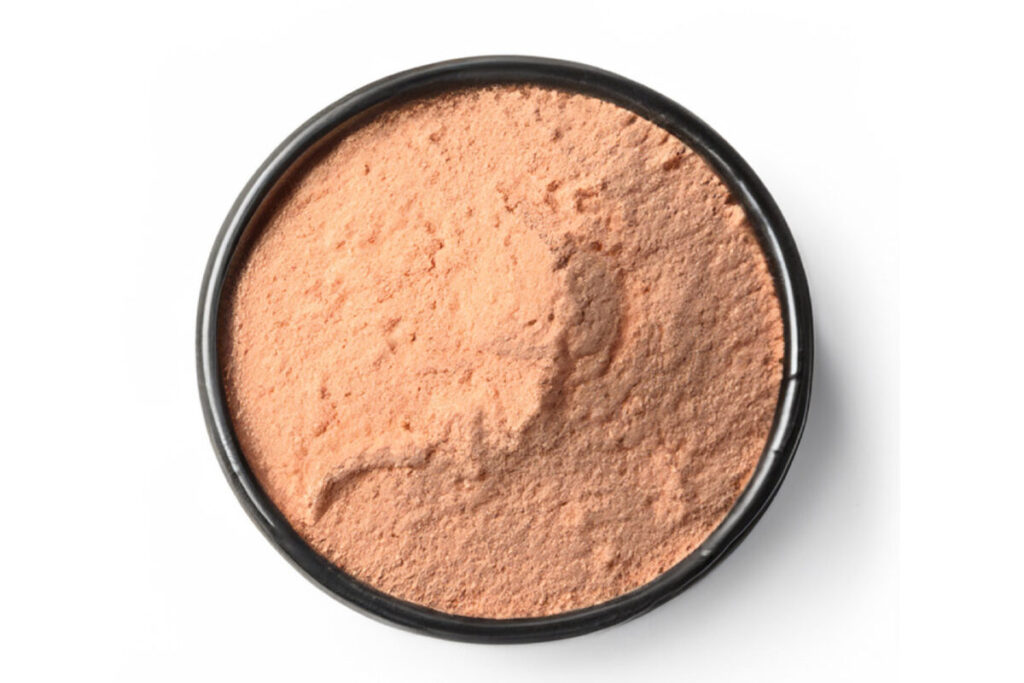
In insect farming, excrement and exuviae, technically known as insect frass, represent one of the major outputs of the production cycle. Although this product is considered "waste," it is actually high-quality due to the presence of important macro- and micronutrients, including proteins and minerals. But that said, how should it be used?
Scientific studies have shown that insect frass can be an excellent natural fertilizer for agriculture, as it acts as biostimulant, promoting the growth and well-being of plants.
The benefits? Multiple.
Not only is frass very rich in nitrogen, phosphorus and potassium, essential elements for plant growth, but enriches the soil with beneficial microorganisms that improve root structure, helping the plant absorb the nutrients it needs to be greener and healthier than ever.
Not only that. Frass also has a special and unique component that is beneficial for plants: chitinIt is a polymer similar to cellulose, naturally present in the exoskeletons of insects and crustaceans.
The benefits of chitin
Using chitin-rich frass in the growing medium allows us to simulate a real attack by parasitic insects and the plant, "tricked", reacts strengthening the plants' natural defenses, speeding up growth and productivity. Be careful, though, because frass is not considered an insecticide, but rather a natural additive that stimulates the plant to produce insecticidal agents, alkaloids, and antifungal metabolites that help it in the event of a real attack by pathogens.
Furthermore, chitin stimulates flowering plants to produce flowers and fruits, as well as natural oils and resins. Imagine the thrill of being able to shake a bottle of insect frass onto the soil in your garden, transforming it into lush plants, tasty fruits, and vegetables. Doesn't it remind you of the myth of King Midas, who turned everything he touched into gold? Not to mention the benefit of growing aromatic and medicinal plants.
Circular economy
Nutrinsect, in collaboration with companies specializing in agricultural fertilizers, is developing an eco-friendly, natural, and above all safe frass. We don't use chemicals, pesticides, or medicinal agents to raise our crickets, so we can be sure that our "super insect poop" is 100% nutrient-dense.
Furthermore, transforming a waste product such as frass into a valuable resource allows us to apply the important principle ofCircular Economy where, as Lavoisier said, “Nothing is created, nothing is destroyed, but everything is transformed”.
This innovative application will make Nutrinsect cricket farming even more sustainable, because, in addition to producing alternative proteins, we have another priority: respecting the planet.